
 English
  French
  Spanish
  Turkish
  Russian
 How to Choose a Feed Pump for a Filter Press
The feed pump for a filter press is a crucial component of the entire filtration system. The suitability of the pump type directly affects the filter press’s feed rate, filtration pressure, filter cake moisture content, operational stability, and subsequent maintenance costs.
So, how should you choose a feed pump for a filter press? This article will provide a detailed explanation of how to select the right feed pump.
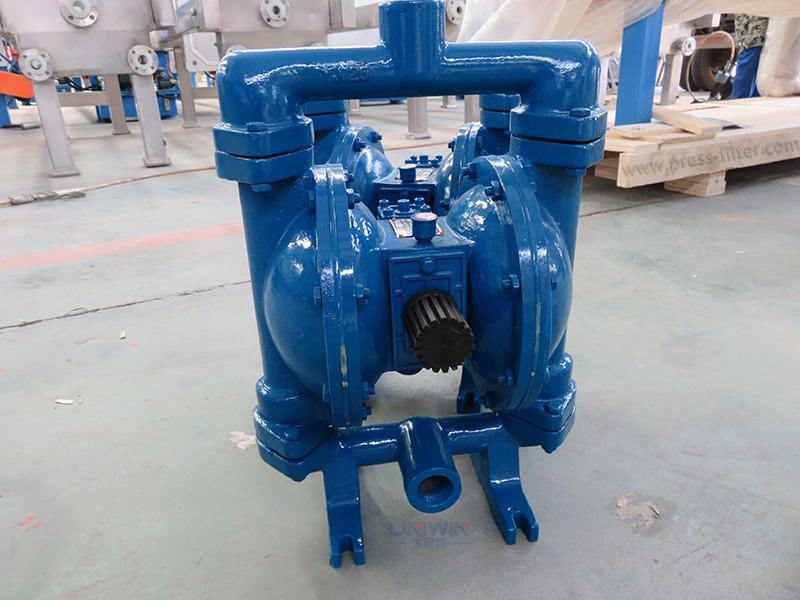
Operating Characteristics of the Feed Pump
The feeding process of a filter press is not a constant flow rate but rather a gradual increase in pressure and a gradual decrease in flow rate.
Feed pump characteristics:
- Initially provides a large feed flow rate.
- Maintains stable feed pressure in the later stages.
- Capable of conveying slurries containing solid particles.
- Flow-through components have sufficient wear or corrosion resistance.
- Adaptable to filtration processes with continuously changing flow rates and pressures.
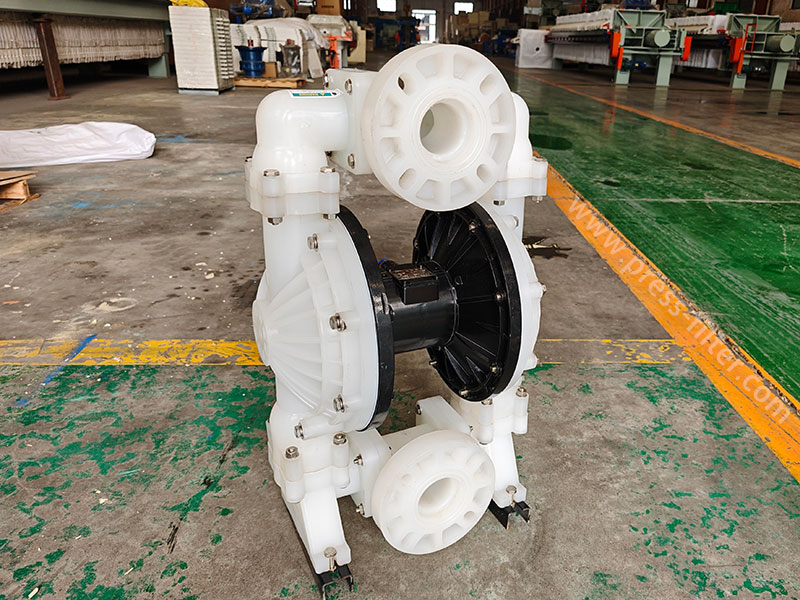
What Parameters Need to Be Confirmed Before Selecting a Feed Pump?
Filter press filtration area and filter chamber volume
The filtration area reflects the equipment size of the filter press, while the filter chamber volume determines how much slurry needs to be delivered per filtration cycle.
Feed pressure
Different types of filter presses have different allowable feed pressures. The feed pump pressure must meet the filtration requirements but must not exceed the design pressure of the filter plates, pipelines, and valves.
Material solid content
The higher the solid content, the more difficult the material is to transport, and the higher the requirements for the pump’s flow capacity, wear resistance, and anti-clogging ability. Low-concentration wastewater and high-concentration slurry cannot use the same pump selection method.
Solid particle size
If the material contains large particles, fibers, or easily settling solids, a pump with a wider flow channel and less clogging should be selected.
Corrosiveness
For highly acidic or alkaline chemical materials, PP, PVDF, stainless steel, or other corrosion-resistant materials should be selected.
For highly abrasive materials such as mineral slurries, mortars, stone sludge, etc., ceramic, rubber, or wear-resistant alloy flow parts should be given priority consideration.
Material temperature
Temperature affects the pump body material, sealing structure, and the service life of vulnerable parts such as hoses and diaphragms; therefore, it needs to be confirmed in advance during model selection.
Common Feed Pump Types
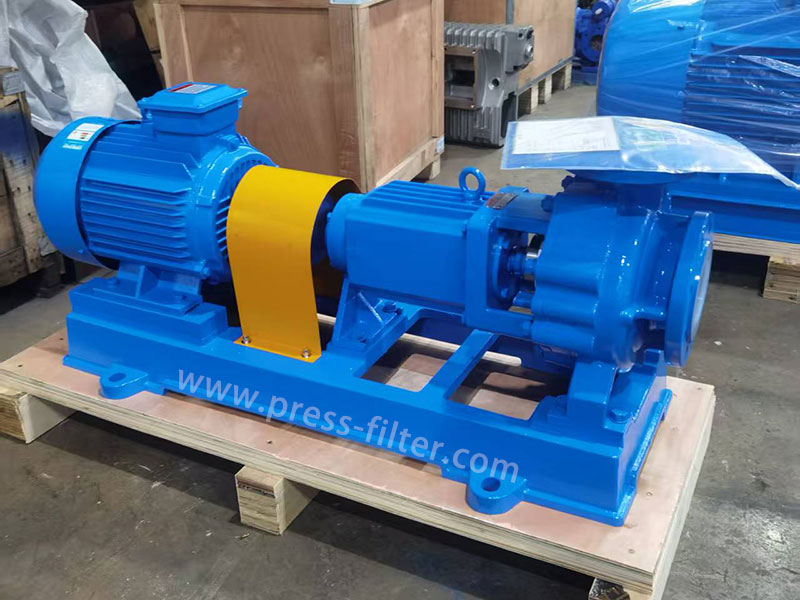
Centrifugal pumps or slurry pumps
Centrifugal pumps and slurry pumps are typically suitable for materials with low viscosity, good flowability, and large initial feed rates.
Their main advantages are large flow rate, simple structure, convenient maintenance, and relatively low purchase cost.
Pneumatic diaphragm pumps
Pneumatic diaphragm pumps have good self-priming capabilities, and their flow rate and pressure are relatively easy to adjust. As the internal pressure of the filter press increases, the pump’s operating speed automatically decreases, which is well-suited to the feeding characteristics of the filter press.
Plunger pumps
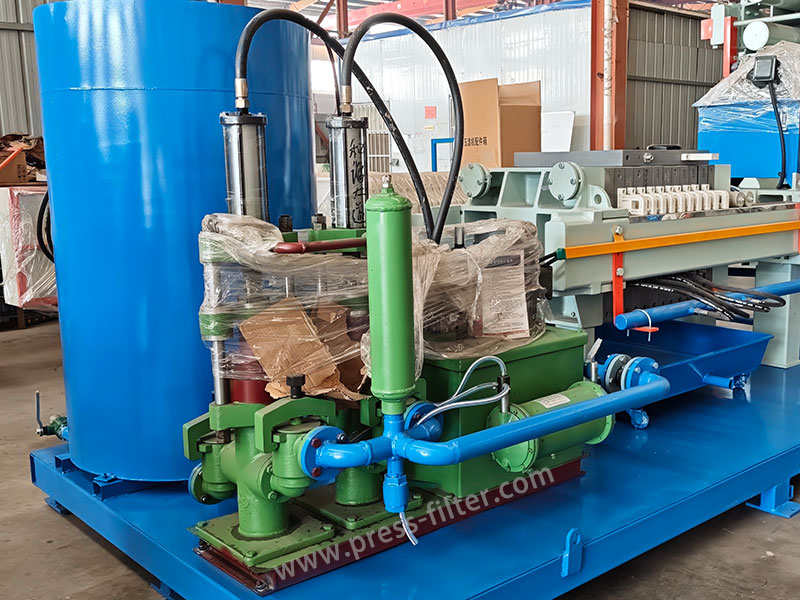
Ceramic plunger pumps are common feed pumps for filter presses in the stone, ceramic, sand washing, and some mining industries. They provide relatively stable feed pressure, and the plungers have good wear resistance, making them suitable for medium to high pressure and high solids content conditions.
Screw pumps
Screw pumps are suitable for conveying sludge with high viscosity, containing organic matter or fibers. Screw pumps have stable flow rates with minimal pulsation, and the flow rate can be gradually adjusted via a frequency converter, making them suitable for systems with high requirements for feed process control.
Conclusion
The selection of a feed pump for a filter press requires comprehensive consideration of factors such as the filter chamber volume, feed pressure, feed time, solid content of the material, and corrosivity. If you are selecting a feed pump for your filter press, please provide us with relevant information, and we can recommend a suitable pump type and configuration based on your specific operating conditions.